Brown Bird Watercolor
As an embroidery designer and product reviewer, I’ve seen countless designs come and go. But when I first laid eyes on Brown Bird Watercolor, I knew it had the potential to be more than just another digital file—it could become a staple in my creative workflow and a valuable asset for clients and customers alike.
The First Impression: A Delicate Blend of Nature and Art
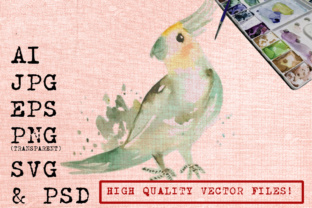
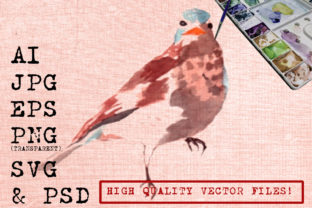
Brown Bird Watercolor immediately evokes a sense of calm and simplicity. The design features a single brown bird rendered in soft, flowing watercolor strokes. Its gentle curves and muted tones suggest a connection to nature, making it ideal for projects that aim to feel organic, handcrafted, and personal.
The layout is clean and uncluttered, with enough detail to make it visually interesting without overwhelming the eye. This makes it particularly well-suited for embroidered patches, tote bags, or baby items where subtlety can speak volumes. It’s not a bold statement piece, but rather one that invites closer inspection and appreciation.
Real-World Embroidery Performance
When I tested Brown Bird Watercolor on a variety of fabrics and project types, it performed consistently well. On a cotton tote bag, the design looked natural and elegant, blending seamlessly with the fabric. On a sweatshirt, it added a touch of sophistication without being too busy.
For baby clothes, the soft lines and minimal detail made it a safe choice—no sharp edges or intricate patterns that might be distracting. In a personalized gift setting, such as a custom pillow cover or tea towel, it offered a refined look that felt handmade yet professional.
One thing to note is that Brown Bird Watercolor works best on lighter-colored fabrics. On darker backgrounds, the design can appear washed out unless the thread colors are carefully selected. This makes it a great candidate for a printable mockup or digital preview before committing to stitching.
Where to Use It With Care
While Brown Bird Watercolor is versatile, there are certain scenarios where it may not shine as brightly. For instance, on small hoop sizes, the design’s delicate details can be challenging to stitch accurately. If you’re working on a cap or a patch, you’ll need to ensure your hoop is large enough to accommodate the entire design without cutting off any elements.
On textured or stretchy fabrics, the design may not lie flat as intended. This is especially true for thin or lightweight materials where the stitches can pull or distort the fabric. In such cases, using the right stabilizer is crucial to maintaining the integrity of the design.
If you're planning to use Brown Bird Watercolor on a layered garment or a curved surface, be prepared to adjust your technique. The design’s soft edges may not translate well to complex shapes, so testing on scrap fabric first is always a good idea.
Impact on Visual Appeal and Customer Perception
From a design standpoint, Brown Bird Watercolor adds a level of sophistication that can elevate any project. It’s the kind of design that feels like it belongs on a handmade product or a personalized gift, which can significantly boost customer trust and engagement.
For small business owners and Etsy sellers, this design offers a unique selling point. It’s not overly common, yet it’s familiar enough to appeal to a broad audience. When used correctly, it can help differentiate your products from the competition and create a cohesive brand aesthetic.
Its subtle nature also makes it highly adaptable. Whether you're creating a holiday gift, a boutique product, or a commercial embroidery project, Brown Bird Watercolor can fit into various contexts without feeling out of place.
Practical Designer Notes
Before finalizing any project with Brown Bird Watercolor, I recommend doing a few key tests. Start by stitching it on scrap fabric to see how the design translates in real life. Pay attention to the stitch density—too much can make the design look heavy, while too little may cause it to fade.
Check the thread color contrast against your chosen fabric. If you're working with a light background, consider using a slightly darker thread to ensure the design stands out. For dark fabrics, a lighter thread or even a white thread may be necessary to maintain visibility.
Also, make sure the design fits within your hoop size. If it doesn’t, you may need to split it into sections or adjust the placement. Don’t forget to inspect the design for any tiny details that might be lost during the embroidery process.
Finally, if you're planning to sell finished products or digital files, confirm the licensing terms. Even though Brown Bird Watercolor appears to be a versatile design, it's always better to double-check before using it commercially.
Conclusion: A Thoughtful Design for Thoughtful Projects
Brown Bird Watercolor isn’t just another embroidery design—it’s a thoughtful addition to any creative toolkit. It’s perfect for those who value subtlety, craftsmanship, and the quiet beauty of nature. Whether you're working on a custom apparel project, a handmade gift, or a small shop merchandise line, this design has the potential to enhance your work in meaningful ways.
With a little care and attention, Brown Bird Watercolor can become a trusted part of your embroidery workflow, helping you create beautiful, lasting pieces that resonate with your customers and clients alike.