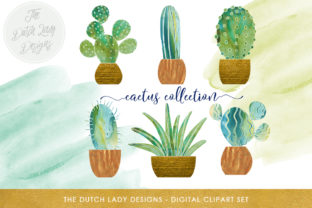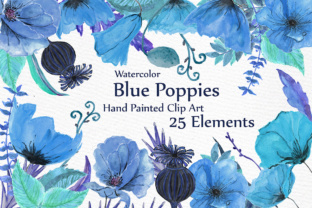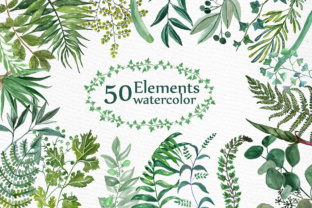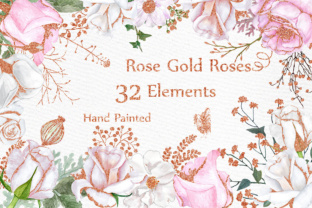
Watercolor Cactus Clipart and Illustrations
As a graphic designer with years of experience in branding, marketing visuals, and digital design assets, I’ve come across countless illustrations that promise to elevate a project. Watercolor Cactus Clipart is one such asset that offers a unique visual tone, but it’s not a one-size-fits-all solution. Let me walk you through how this design asset performs in real-world scenarios and whether it’s suitable for your next client project.
The First Impression: A Playful, Handcrafted Vibe
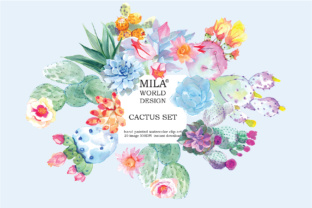
Watercolor Cactus Clipart immediately evokes a sense of warmth, creativity, and a slightly whimsical aesthetic. The soft brushstrokes and muted color palette give it a handcrafted feel, making it ideal for brands that want to convey a cozy, approachable personality. This style is perfect for handmade businesses, small business branding, or any project aiming to feel more personal than polished.
It’s important to note that the watercolor effect doesn’t scream professionalism. Instead, it leans into a more casual, artistic expression. If your client is targeting a modern, clean, or corporate audience, this might not be the best fit. However, for a boutique product line, an Etsy shop, or a seasonal campaign, it can be a strong visual anchor.
Where Watercolor Cactus Clipart Shines
This clipart excels in creative design projects that benefit from a touch of charm and texture. Whether you’re working on a t-shirt design, a Cricut project, or a Canva template, the organic shapes and fluid lines add visual interest without overwhelming the composition.
In packaging design, these illustrations can serve as decorative accents or hero graphics. They work well in product mockups, especially for items like mugs, tote bags, or stickers. For social media graphics, Watercolor Cactus Clipart adds a friendly, engaging visual that stands out in a feed full of sleek, minimalist designs.
When used in editorial design or blog visuals, the illustration brings a sense of storytelling and personality. It also pairs well with handwritten fonts or script typefaces, enhancing the overall creative vibe of the layout.
Best Use Cases: Themed Collections and Print-on-Demand
Watercolor Cactus Clipart is particularly effective in themed collections—think springtime promotions, desert-inspired campaigns, or summer festivals. Its versatility allows it to be part of a larger design bundle, making it a valuable addition to a creative marketplace asset library.
For print-on-demand sellers or digital product creators, this clipart can be used in printable wall art, stationery, or custom merchandise. Its soft edges and subtle textures make it ideal for sublimation design or t-shirt printing, where a more natural look is preferred over sharp, vector-based graphics.
Where to Be Cautious: Minimalist and Corporate Projects
While Watercolor Cactus Clipart has its place, it’s not always the best choice. In minimalist branding or professional corporate materials, the lack of sharp lines and structured composition may clash with the intended visual hierarchy. Similarly, if the design requires high contrast or a very clean layout, this asset could become a distraction rather than a support element.
Small sizes can also be problematic. At 50px or below, the details may blur, reducing readability and impact. Crowded layouts may further dilute the illustration’s effectiveness, making it hard for the viewer to focus on key messages.
Design Notes: What to Check Before Using Commercially
Before using Watercolor Cactus Clipart for a client project, there are several practical steps to take. First, test it in black and white to see how it holds up without color. Then, check the contrast on both light and dark backgrounds to ensure visibility.
Preview the clipart at various sizes—especially if it will be used in a product mockup or printed material. Place it on real mockups to get a sense of how it interacts with other design elements. Also, review the file formats provided. If it includes PNG design or SVG design, verify the transparency and editability.
Finally, confirm the commercial license. Many design assets have restrictions on resale or redistribution, so it’s crucial to understand what you’re allowed to do with the clipart before incorporating it into a client’s brand identity or marketing visuals.
Conclusion: A Creative Asset with Clear Applications
Watercolor Cactus Clipart is not a generic design asset—it’s a specific tool that works best in certain contexts. For small business branding, handmade businesses, or creative marketplaces, it can be a powerful visual element that adds character and emotional appeal. However, it requires careful consideration when used in more formal or minimalistic projects.
If you're looking for a way to bring warmth and personality to your design work, this clipart can be a great addition. Just remember to evaluate it within the broader context of your client’s needs and the visual language they want to communicate.